 Skip to content
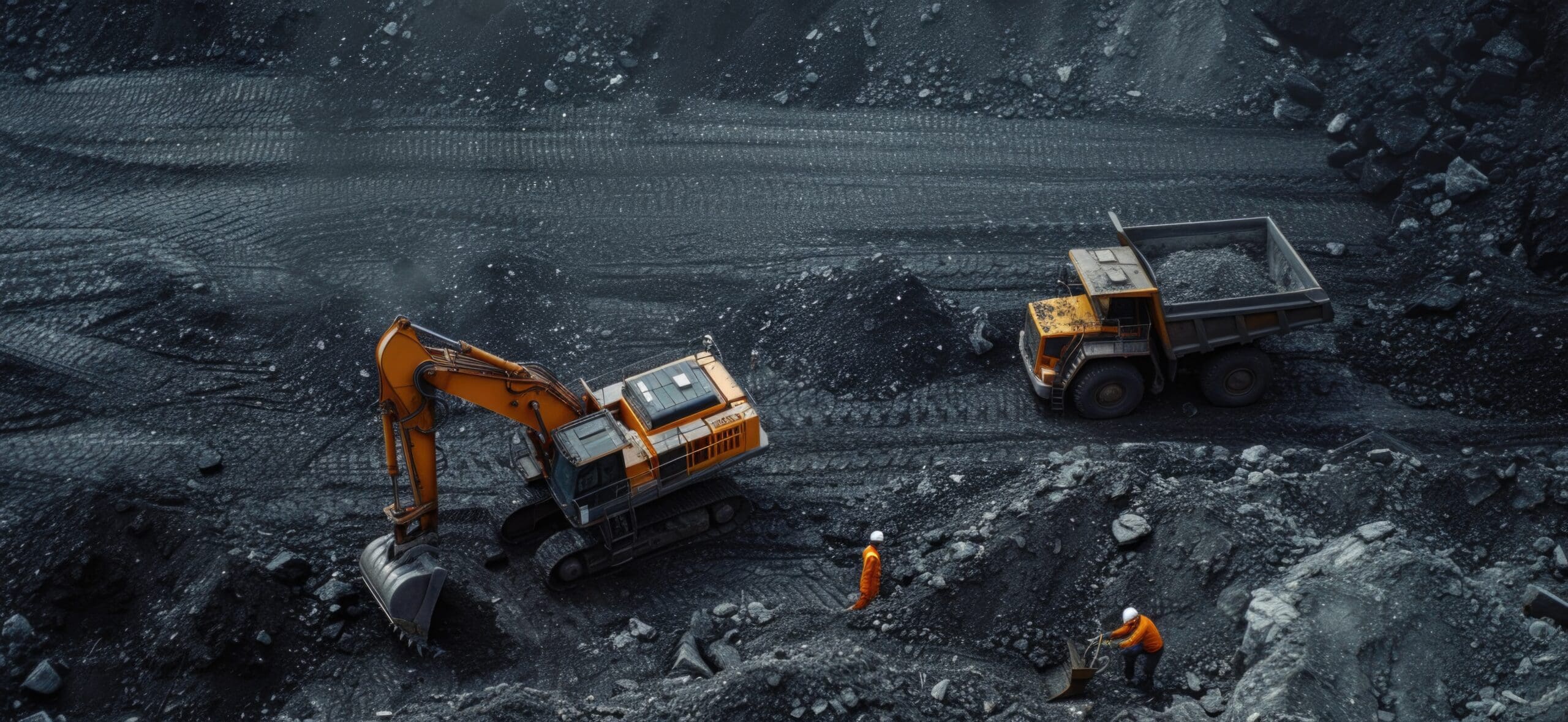
Mining has always been one of the core industries driving global development. Every piece of metal, mineral, and resource we rely on begins its journey deep within the earth. None of this would be possible without mining equipment: the backbone of every operation.
Mining involves far more than simply digging and transporting materials. It requires precision, safety, and a wide range of specialised machinery designed for specific stages of extraction and processing. This article explains the main types of mining tools used in different mining methods, covering surface, underground, and mineral processing equipment, as well as the supporting and safety systems that keep operations running efficiently.
Categories of Mining Equipment
Mining operations fall into three major categories: surface mining, underground mining, and mineral processing. Each uses equipment designed for its specific conditions. Alongside these, supporting and maintenance machinery plays an essential role in ensuring continuous, safe, and efficient work.
Surface Mining Equipment Explained
Surface mining is used when mineral deposits are located close to the earth’s surface. It involves removing layers of soil and rock to expose valuable materials. The types of mining tools used here are large, durable, and built for heavy-duty performance.
Excavators are among the most common machines in surface mining. They dig, load, and move vast amounts of material quickly and precisely. Operators often say there’s a rhythm to it, as the machines move in a smooth, almost hypnotic pattern once the work gets going.
Draglines are another key component, especially in large-scale coal operations. Their long booms and massive buckets remove overburden, allowing access to deeper minerals. They may move slowly, but their ability to shift millions of tons makes them impossible to replace.
Bulldozers and Wheel Dozers provide support by clearing paths, levelling surfaces, and pushing debris. Many sites equip them with ceramic wear liners to reduce abrasion and extend service life, especially when working with harsh materials.
Mining Trucks, or haul trucks, handle material transport across rugged terrain. Their enormous size and load capacity make them vital for large open-pit operations. Together with Drills and Blasting Tools, which break hard rock formations, these machines form the foundation of surface mining.
While surface mining allows for efficient extraction and high productivity, it requires significant land alteration. But newer mining equipment in Australia and beyond is changing that; machines now run cleaner, use less fuel, and leave a smaller mark on the land.
Underground Mining Equipment
When resources are buried deep underground, underground mining becomes essential. It is more complex and risk-prone, requiring equipment that prioritises safety and precision.
Continuous Miners sit at the core of most underground setups. They’re compact but surprisingly powerful, cutting and collecting materials right from the mine face, reducing the need for drilling and blasting.
Roof Bolters follow closely behind to reinforce mine roofs and prevent collapses. Their work is critical in maintaining stability, especially in older tunnels. Transporting materials in confined spaces requires the use of shuttle cars and underground trucks. Built for durability and manoeuvrability, they navigate narrow passages while carrying heavy loads.
One of the most advanced systems underground is the Longwall Miner, which uses mechanised shearers to cut and collect entire panels of coal or ore. Modern versions often include automated features and remote monitoring systems that minimise human exposure to danger.
Safety underground has come a long way, with new standards and smarter machines making the environment far safer than it used to be. Many machines now feature sensors, real-time monitoring, and improved ventilation systems to ensure worker well-being.
Mineral Processing and Handling Equipment
Once the raw material’s out of the ground, it still has a long way to go before it’s usable. Mineral processing focuses on crushing, screening, conveying, and grinding to separate valuable minerals from waste.
The process begins with Crushers, which reduce large rock fragments into smaller pieces suitable for further handling. Next come Screening Equipment and trommel screens, which classify materials by size. Trommel screens, in particular, are efficient in separating fine particles and are widely used in both mining and recycling industries.
Conveyors and Feeders then move materials between stages. These systems often incorporate conveyor skirting to prevent dust and material loss, improving both safety and cleanliness.
For fine grinding, Grinding Mills play a crucial role. They refine materials into powder, making them suitable for chemical processing or direct application. Many mills use polyurethane linings for better wear resistance and reduced maintenance.
In demanding mining environments, protective solutions like magnetic wear patch systems and high-pressure pipe bandage applications help extend equipment lifespan. These materials safeguard pipelines, chutes, and other components exposed to high abrasion or impact.
Safety Equipment in Mining
Safety remains the cornerstone of every mining operation. Modern mining equipment now includes advanced safety technologies such as collision detection, automatic braking, and remote operation systems. These features help prevent accidents and protect workers from high-risk zones.
Sustainable and eco-friendly mining equipment is also becoming more common. Many operations are transitioning to electric or hybrid machinery, water recycling units, and noise-reduction technologies. Retrofitting older equipment with energy-efficient systems has proven both cost-effective and environmentally responsible.
Advancements in digital monitoring and data analytics now allow real-time tracking of machinery performance. Predictive maintenance helps prevent breakdowns and ensures maximum uptime. Combined with robust training programs, these innovations make modern mining safer and more productive than ever before.
Final Thoughts
Understanding the types of mining tools and machinery helps us appreciate how far the industry has come from manual labour to fully automated systems.
Whether you’re a professional in the sector or simply curious about industrial innovation, exploring the latest mining equipment in Australia reveals how technology is redefining resource extraction worldwide.
Looking to upgrade your operation or explore cutting-edge mining solutions? Contact our team today to discover how modern mining equipment in Australia can help you work smarter, safer, and more efficiently.
