
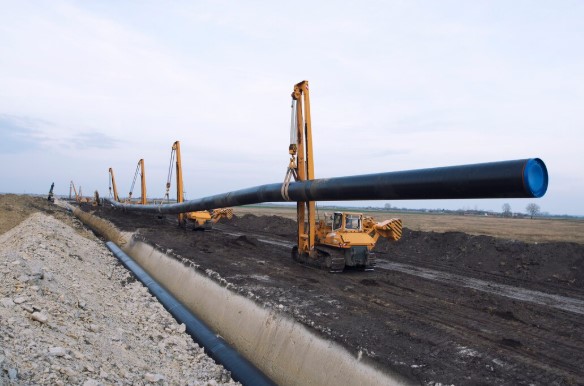
Pipelines are essential to daily productivity in mining operations, yet they receive attention only when a serious issue arises.
The system handles high-pressure, abrasive materials in continuous flow, which puts long-term stress on the mining pipeline. Most machine parts may break suddenly, whereas pipeline failure takes place slowly. The major challenge is to recognise warning signs before they escalate into downtime or expensive repairs.
This article highlights the early signs of pipeline failure in mining operations and outlines practical ways to identify issues before they disrupt production
Why Pipeline Failure Should Not Be Overlooked
Pipeline failure is rarely caused by a single factor. It is the result of gradual wear, pressure imbalance, vibration, or environmental conditions. Minor or small changes are ignored as normal variations in busy mining operations. These small changes compound to expensive repair work in future.
A reliable mining pipeline supports consistent output and safer working conditions. When early warning signs are ignored, repairs tend to be reactive rather than planned, increasing costs and operational risk.
Pressure Fluctuations and Flow Irregularities
The earliest sign of pipeline failure is unexplained pressure variation. Operators may notice reduced flow rates, inconsistent discharge, or pressure readings that shift without changes in material volume.
Pressure drops can indicate internal wear, partial blockages, or small leaks. Pressure increases may suggest restrictions or buildup caused by deteriorating pipe lining or damaged rubber lining. These changes may not cause immediate failure, but they indicate that the pipeline is no longer performing as originally intended.
Visible Leaks and Surface Changes
Not every leak is obvious or dramatic. You can look for quieter signs, mainly appearing as damp ground near joints that never dries, discolouration on the pipe wall, or minor seepage during operation. These minor details can easily escape in large sites.
Small leaks form around joints, pipe couplings, or previously repaired sections. The frequent and repeated use of a pipe repair bandage indicates a temporary solution to control leaks. Underlying structural issues need proper attention and a permanent solution to avoid problems.
Accelerated Wear at High-Stress Areas
Certain sections of a mining pipeline experience higher stress due to changes in flow velocity and direction. Bends, elbows, and reducers are common wear points. It suggests internal protection may be failing when these areas show excessive thinning, erosion, or cracking.
The absence or degradation of rubber wear liners can accelerate damage in these locations. Once protective layers deteriorate, pipe walls are exposed directly to abrasive materials, significantly shortening pipeline lifespan.
Repeated Joint and Connection Problems
Loose joints, shifting connections, or recurring seal failures are strong indicators of pipeline instability. Pipe couplings are designed to accommodate movement, but repeated adjustments or failures point to vibration, misalignment, or pressure stress along the pipeline.
Pipe grip clamps are used to stabilise connections and manage minor movement. When clamps become a frequent requirement rather than a precaution, they may be compensating for broader alignment or structural issues.
Changes in Material Behaviour
Operators notice subtle changes in how material moves through the pipeline. Slurry may flow unevenly, blockages may occur more frequently, or discharge consistency may change without a clear cause.
These issues are linked to internal surface damage, partial collapse, or buildup caused by worn pipe lining. Even small internal changes can affect flow dynamics and increase pressure stress throughout the system.
Impact on Surrounding Equipment
Pipeline issues can affect nearby systems. Increased vibration, unexpected wear on conveyor skirting, or damage to adjacent structures may indicate pressure imbalance or misalignment within the pipeline.
Rubber lining failures or unstable pipe sections can transmit stress to nearby mining equipment. When multiple components in the same area show unusual wear, the pipeline should be evaluated as a potential source.
Temporary Repairs Becoming Routine
Short-term repairs are necessary in mining operations. When pipe repair bandage applications, clamps, or patchwork solutions become routine, it indicates that pipeline failure is advancing.
At this stage, options such as proper pipe lining, section replacement, or improved joint systems may offer better long-term reliability. Many mining equipment suppliers Australia-wide recommend planned maintenance over repeated emergency repairs, as it offers a lower overall cost and risk.
Conclusion
Pipeline failure in mining operations occurs without warning. Pressure fluctuations, visible leaks, accelerated wear, joint instability, and changes in material flow are all signs of pipeline failure that deserve attention. Addressing these issues early helps extend the life of the mining pipeline, improves safety, and reduces costly downtime.
A proactive approach, supported by appropriate pipe couplings, rubber wear liners, rubber lining, and regular inspection, allows mining operations to maintain performance while avoiding unexpected disruptions.
Maintain the reliability of your mining pipeline with proven solutions from Australian Mining Product & Services. From pipe grip clamps and pipe repair bandage systems to durable rubber wear liners and pipeline protection products, our team supports safer and more efficient mining operations. Speak with experienced professionals who understand real site challenges.
Call 1300 241 620 to discuss practical solutions for preventing pipeline failure.